
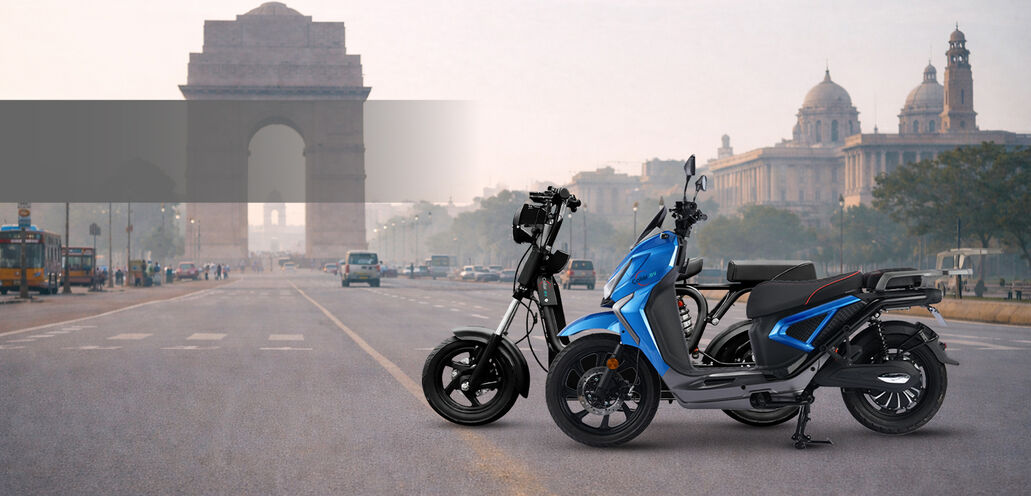
The Urgent Need for Smart Urban Mobility in Indian Cities
The transportation challenges faced by Indian urban centers are complex:
- Air Quality Crisis: Cities like Delhi, Mumbai, Bengaluru, and Kolkata frequently experience hazardous Air Quality Index (AQI) levels, with vehicular exhaust being a major contributor.
- Economic Strain: Fluctuating fossil fuel prices hit daily commuters and logistics providers hard, increasing overall living and operational costs.
- Traffic & Infrastructure Demands: Congested city corridors demand agile, reliable, and low-maintenance vehicles capable of frequent stop-and-go commuting.
To address these hurdles, electric vehicles offer an ideal solution— providing zero tailpipe emissions, quiet operations, and significantly lower running costs compared to petrol alternatives.
5 Key Ways EVs Are Reshaping Indian Cities
1. Drastic Reduction in Carbon Footprint & Air Pollution
The most direct impact of EV adoption is cleaner air. Electric two-wheelers and three-wheelers produce zero tailpipe emissions during operation.
When thousands of daily commuters switch from petrol-powered bikes to EVs, urban centers can reduce pollution associated with vehicle exhaust, including particulate matter such as PM2.5 and PM10 and nitrogen oxides (NOx).
2. Unmatched Operating Economics for Daily Commuters
Fuel costs represent one of the largest ongoing expenses for urban vehicle owners. Running a conventional petrol two-wheeler typically costs approximately ₹2.00–₹2.50 per kilometer.
In contrast, charging an electric two-wheeler can cost around ₹0.20–₹0.30 per kilometer, depending on electricity tariffs, battery efficiency, and riding conditions.
Over a year of daily urban travel, riders can potentially save thousands of rupees on energy and routine engine maintenance.
3. Noise Pollution Control and Serene Urban Environments
Urban noise is an under-reported challenge in fast-paced cities. EVs operate with significantly less mechanical and engine noise than conventional petrol vehicles.
Replacing large numbers of petrol-powered vehicles with electric powertrains can contribute to quieter and more comfortable urban environments.
4. Smart Connectivity & Tech Integration
Modern EVs are more than just modes of transport—they are increasingly connected mobility devices.
Features such as smartphone connectivity, real-time GPS tracking, remote diagnostic alerts, and digital instrument clusters can make urban commutes safer, smarter, and more efficient.
5. Last-Mile Logistics Efficiency
The rapid growth of e-commerce, food delivery, and hyperlocal logistics across India relies heavily on daily two-wheeler trips.
Transitioning delivery fleets to electric mobility can lower operational energy costs for businesses while helping companies work toward their sustainability goals.
How CollarEV Is Leading the Charge
At CollarEV, electric mobility is designed around real-world performance, engineered durability, and practical everyday usability for Indian riders.
CollarEV Core Advantages
| CollarEV Feature | Key Benefit |
|---|---|
| High-Performance BLDC Motors | Instant torque and a smooth, quiet drive |
| Heavy-Duty Frame & Design | Purpose-built for demanding Indian road conditions |
| Smart App Connectivity | Mobile integration and real-time vehicle insights |
| Low Cost of Ownership | Low running costs and reduced maintenance requirements |
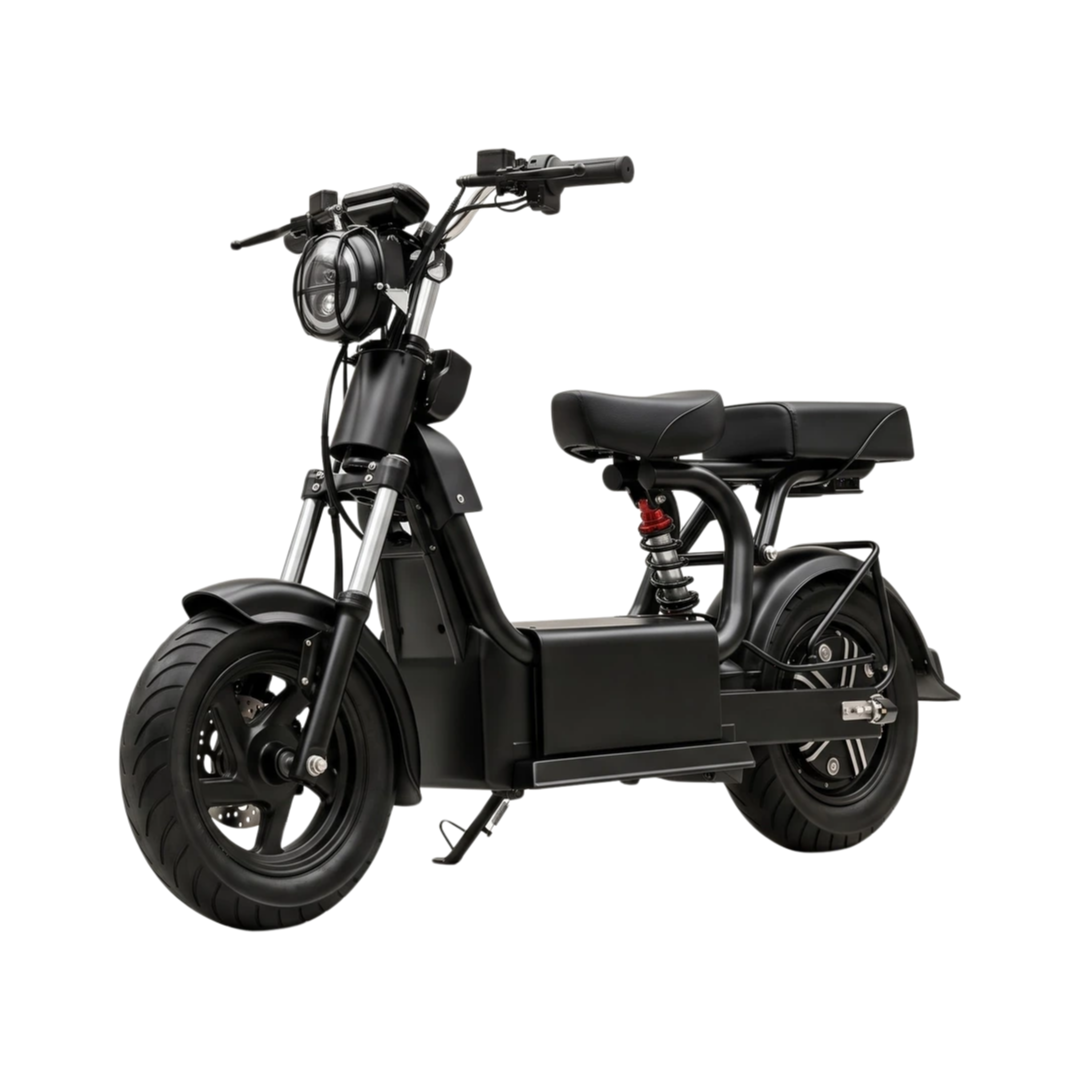
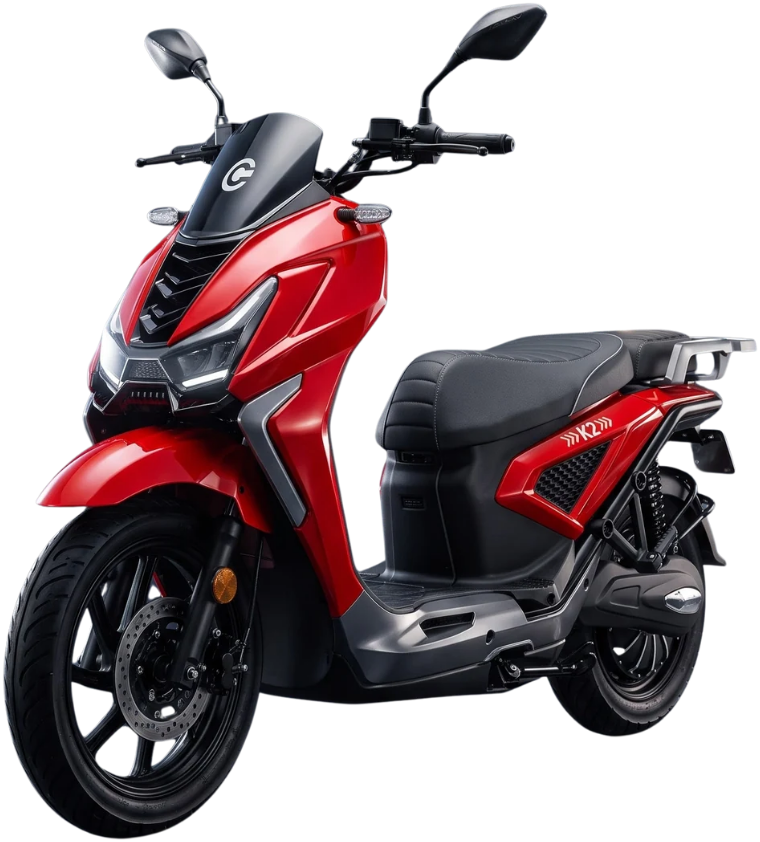
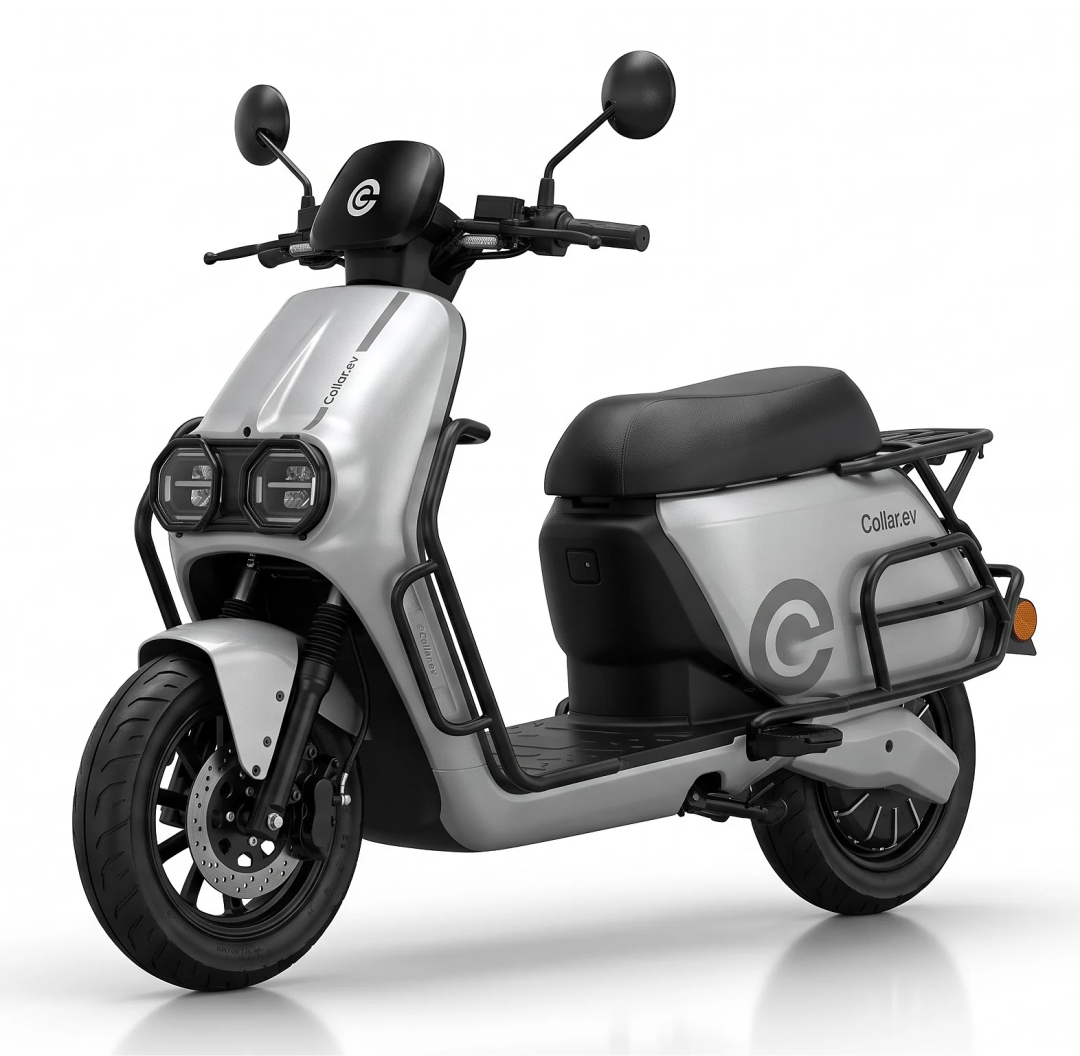
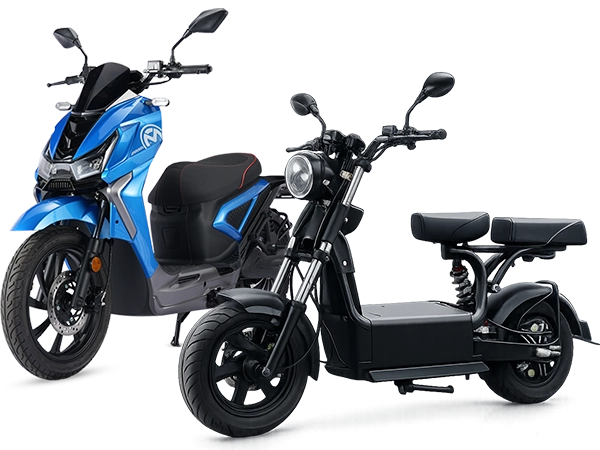
Purpose-Built EV Models: Moon, K2 & MARS
CollarEV's lineup—including models like the Moon, K2, and MARS— is designed to handle the diverse requirements of modern urban riders.
Engineering Built for Local Roads
Heavy-duty frame construction, including frames with a diameter of up to 48mm, combined with high ground clearance, helps provide stable handling across uneven city roads, potholes, and speed breakers.
Optimized Electric Powertrains
Equipped with efficient Lithium-ion battery options and motors delivering strong peak power and instant torque of up to 60 Nm, CollarEV vehicles offer responsive city acceleration and range options of up to 135 km on a single charge.
Quick Fast-Charging
Fast-charging capabilities help commuters spend less time connected to charging points and more time on the road.
Low Maintenance Engineering
Purpose-built electric vehicle designs have fewer moving components than conventional combustion engines, helping minimize routine maintenance requirements and ownership hassles.
Traditional Petrol Two-Wheelers vs. CollarEV Electric Two-Wheelers
| Feature | Traditional Petrol Two-Wheeler | CollarEV Electric Vehicle |
|---|---|---|
| Fuel / Energy Cost | High Approx. ₹2.00–₹2.50/km |
Extremely Low Approx. ₹0.20–₹0.30/km |
| Tailpipe Emissions | Produces CO2, NOx, and particulate emissions | Zero Tailpipe Emissions |
| Noise Level | Engine noise and vibration | Quiet BLDC motor drive |
| Maintenance Needs | Oil changes, spark plugs, filters, and engine servicing | Fewer moving parts and low maintenance requirements |
| Smart Technology | Limited standard connectivity | Integrated mobile app and smart connectivity |
Government Initiatives Accelerating EV Adoption in India
The Indian government continues to support the transition toward electric mobility through various policies and initiatives.
- FAME & PM E-DRIVE Schemes: Government initiatives aimed at supporting electric mobility and making electric vehicles more accessible.
- State-Level EV Policies: Various state governments provide incentives such as road tax exemptions, registration benefits, and support for charging infrastructure, subject to applicable policies.
- Charging Infrastructure Growth: Public-private partnerships are expanding charging networks across public parking areas, metro stations, commercial locations, and highway corridors.
The Road Ahead: What the Future Holds
Electric mobility in India is rapidly moving from an alternative transportation option toward a mainstream solution for urban mobility.
As battery technology improves, charging networks expand, and manufacturers like CollarEV continue to innovate, electric two-wheelers are positioned to play an increasingly important role in India's transition toward sustainable urban transportation.
Stepping onto an electric vehicle means choosing cleaner mobility, potentially lower daily running expenses, and a smarter commute.
Ready to Upgrade Your Daily Commute?
Explore CollarEV's lineup of electric vehicles—including the Moon, K2, and MARS—and take a step toward cleaner, smarter, and more efficient urban mobility.
Join the movement toward a cleaner, greener tomorrow